
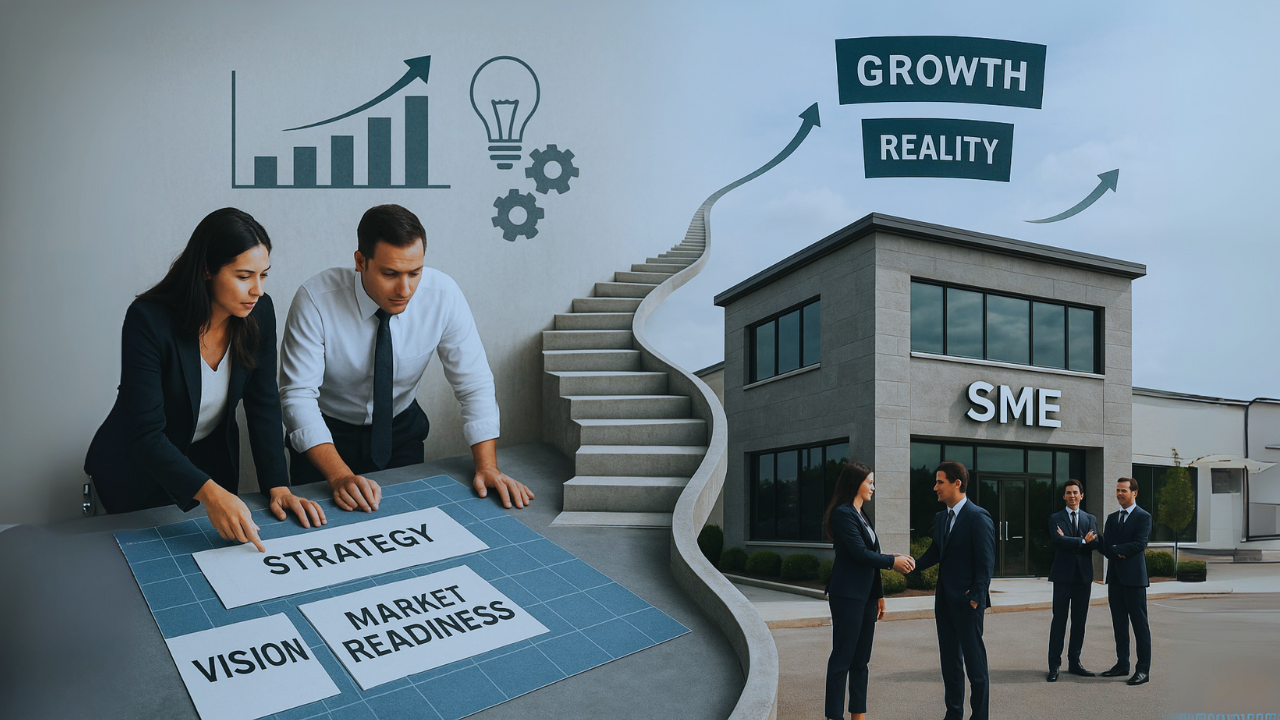
In a dynamic economy like India’s, knowing when to grow your business—or when to expand product lines—is not just a gut feeling. It’s a strategic decision grounded in capability, capacity, and clarity. For small and medium enterprises (SMEs), understanding these signs can make the difference between sustainable success and scattered effort.
At TransGanization, we believe growth isn’t accidental. It is the calculated outcome of internal readiness aligned with external opportunity. Here are key signs that suggest your business is ready for its next chapter:
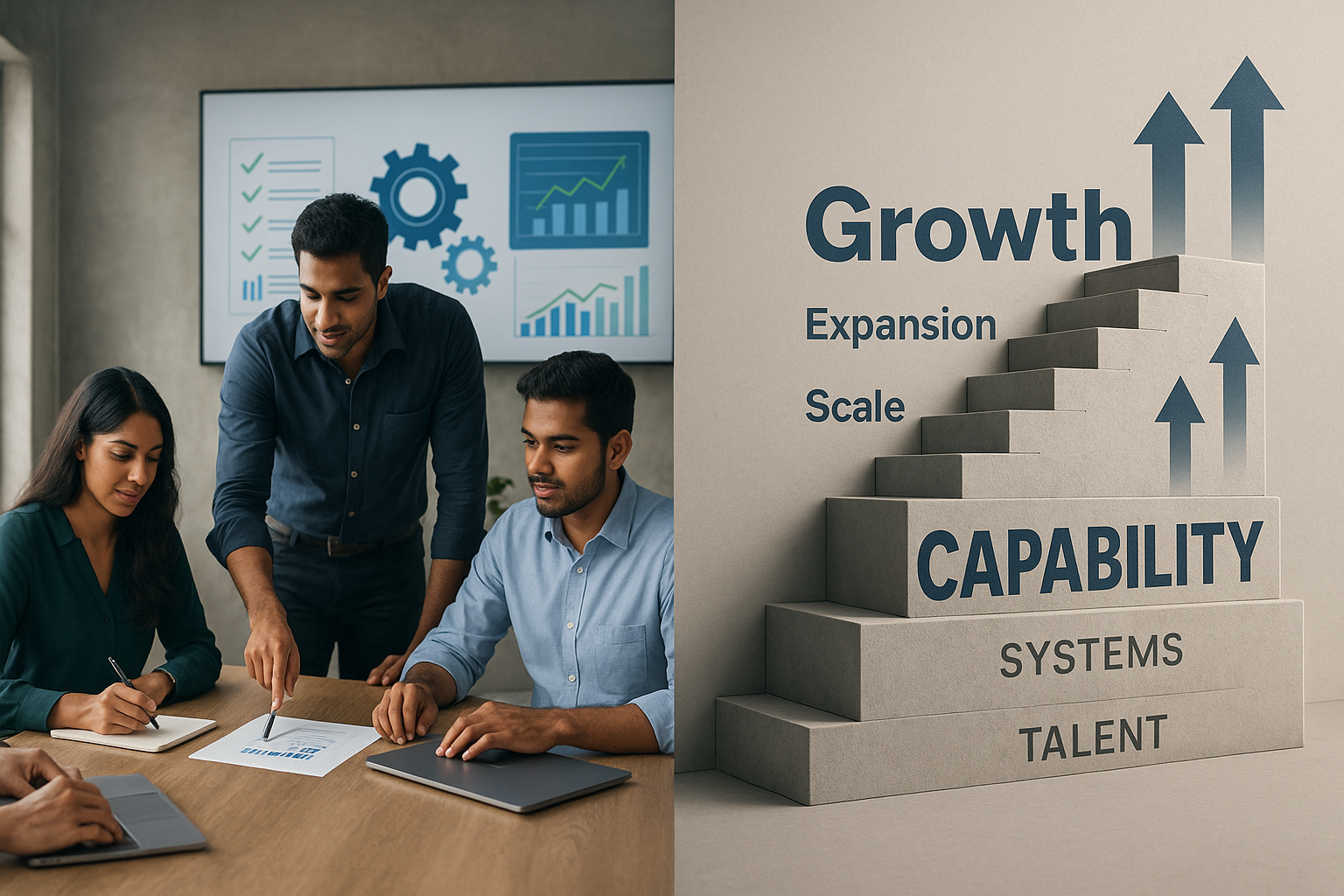
No business can sustain more than what it truly deserves. Growth begins not with ambition, but with capability. Ask yourself: Have you built the systems, culture, and human resources required to serve customers at scale—consistently and excellently?
For instance, Zoho, an Indian SaaS giant, didn’t scale overnight. It invested heavily in internal capabilities, employee development, and product excellence before launching new verticals. Their long-term talent strategy and in-house R&D capabilities made expansion sustainable.
According to a CII report, 68% of successful SMEs say capability building and skill development are key factors in sustaining business growth.
Capability without capacity is like having a map without a vehicle. Evaluate if your infrastructure, leadership bandwidth, HR systems, and team size are prepared for higher volumes or new product offerings.
This is where Human Resource Management (HRM) plays a crucial role. Expanding without planning talent needs leads to hiring chaos and burnout. Strategic workforce planning ensures the right roles, at the right time, with the right skills.
Example: Lenskart scaled across India only after setting up a robust supply chain, customer support teams, and regional training centers. Their HR department created a pipeline of trained retail staff and managers before launching in Tier-2 and Tier-3 cities.
A NASSCOM report reveals that SMEs with proactive talent planning grow 1.7x faster than those that expand reactively.
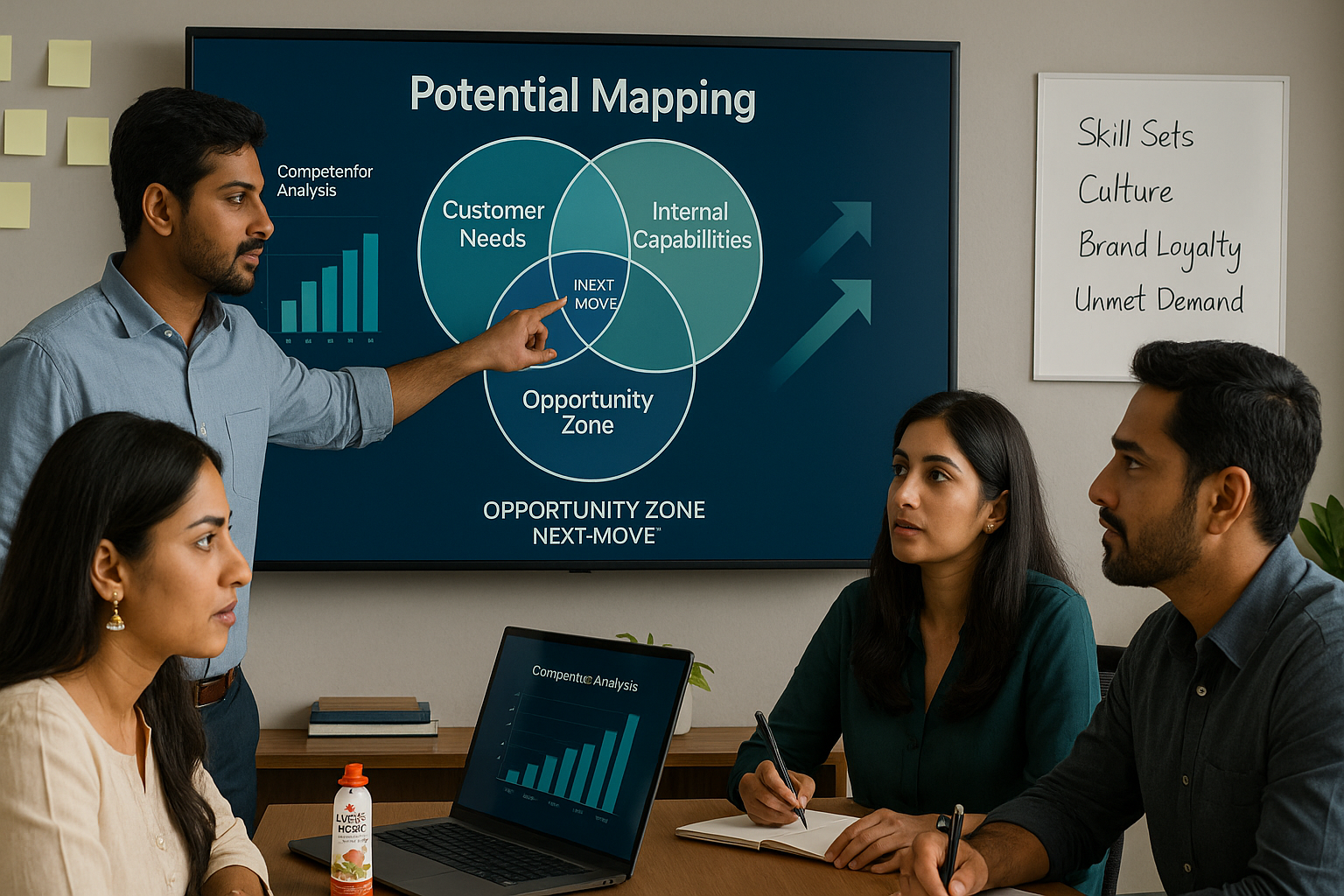
Growth isn’t always about going wide—it’s about going where the potential lies. Conduct market research, study customer behaviour, and assess competitor gaps. Where is unmet demand? What’s the next logical extension of your current offering?
At this stage, HRM can act as a strategic partner by mapping internal strengths (skill sets, leadership readiness, culture adaptability) with emerging market needs. It’s about aligning business strategy with people strategy.
Example: Paper Boat, a traditional beverage brand, did this beautifully. They identified the nostalgic Indian palate and introduced newer variants only after understanding their operational bandwidth and internal brand loyalty.
According to the India Brand Equity Foundation (IBEF), SMEs that align product innovation with internal team readiness have 2x higher success rates in new market entries.
Just because a market seems promising doesn’t mean it’s time to grow. Evaluate your capability, test your capacity, and map your potential. And most importantly, involve your Human Resource Management team in these discussions. HR isn’t just about recruitment—it’s about creating the ecosystem for scalable, sustainable growth.
When your internal systems—including your HR processes—are prepared, expansion becomes not only possible but profitable.